

When you hear the acronym ‘MSG’, what adjectives come to mind? Salty? Savory? Or do other, more sinister ideas creep in? Words like ‘unhealthy’, or even ‘dangerous’? The history of this flavor enhancer is filled with politics, panic, and poor science, and we’re here to dispel the myths and restore MSG to its rightful place in the kitchen.
This fifth basic taste, Umami, was first identified by Tokyo scientist Dr. Kikunae Ikeda in 1908 while enjoying a bowl of traditional Japanese seaweed broth called konbu dashi. He noticed the dashi’s savory taste was distinct from the four basic tastes of sweet, sour, bitter, and salty, so he called it “umami,” which means “essence of deliciousness” in Japanese.
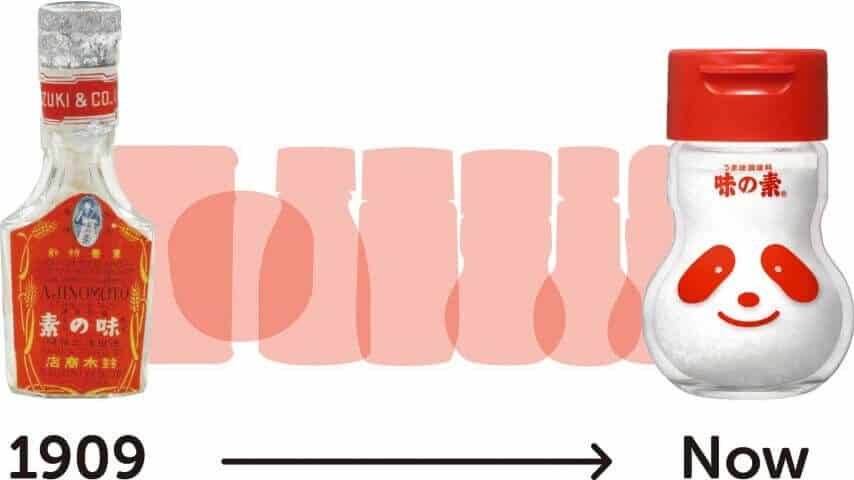
After days of studying seaweed, he found that the taste of umami could be attributed to glutamate, a naturally-occurring amino acid which is also present in the human body and a myriad of common foods such as tomatoes, mushrooms, aged cheeses, cured meats, onions and seafood. To bring this umami taste to everyone, Dr. Ikeda combined naturally occurring glutamate with one-part sodium, resulting in monosodium glutamate (MSG). By 1909, MSG was patented and commercialized as AJI-NO-MOTO, and become the world’s first umami seasoning.
When MSG was first discovered, the U.S. was actively restricting how many Chinese immigrants came here. The Chinese Exclusion Act, passed in 1882, was extended several times until its repeal in 1943. Anti-Chinese racism was rampant, largely in response to Chinese workers being hired for laborer jobs because they were willing to work for less than fair pay.
This was the legacy and backdrop to which a 1968 letter to the New England Journal of Medicine from Dr. Robert Ho Man Kwok describing sickness after eating MSG spurred an anti-MSG movement. Symptoms such as numbness, weakness and a hard, fast heartbeat were associated with MSG in what came to be called “Chinese Restaurant Syndrome.” Following this letter and outcry for further research, other doctors hopped on the bandwagon, and shared their similar findings. Herbert Schaumburg soon published studies in 1968 and 1969 claiming a link, but his work relied on small samples, poor blinding, and suggestive conditions, including participants who already believed they were sensitive to MSG.
The panic intensified with Robert Olney’s 1969 study, titled “Brain lesions, obesity, and other disturbances in mice treated with monosodium glutamate,” which claimed MSG caused brain damage in mice. However, he used extremely high injected doses, unrealistic for human consumption, and lacked proper controls. Critics highlighted these flaws and noted that humans metabolize MSG differently, making his conclusions unreliable. Onley’s dramatic claims gained widespread attention, while later, better-designed studies failed to find evidence that MSG is harmful in normal amounts. However, the damage had already been done, and people continued to experience trepidation when it came to MSG and Chinese food in general through the 70s, 80s, 90s, and early 2000s.
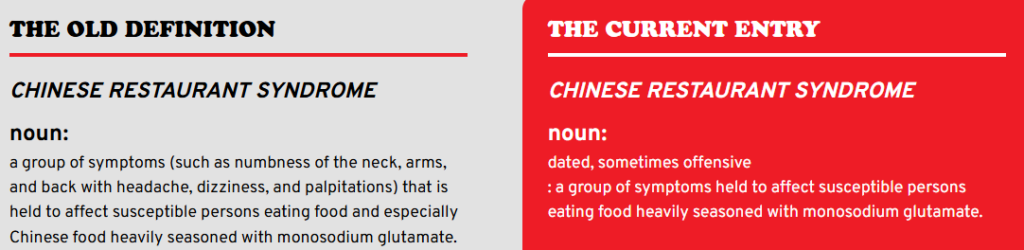
In early 2020, the company Ajinomoto alerted the world to the xenophobic, misleading definition of “Chinese Restaurant Syndrome” that still remained in dictionaries everywhere. After weeks of public outcry, the Merriam-Webster dictionary updated their definition. In addition to labeling the term “dated” and “offensive,” the new entry includes a note that reads, “Research in the years since has failed to establish a clear link between those adverse reactions and the consumption of MSG, and the term Chinese Restaurant Syndrome has been criticized as misleading and potentially offensive.”
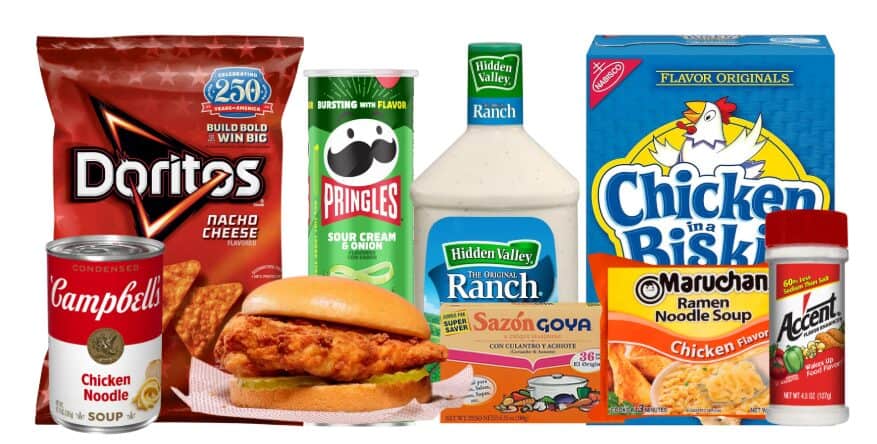
Today, many scientists, food organizations, and companies continue to defend the safety of monosodium glutamate (MSG), helping push back against the xenophobia that fueled its negative reputation. Groups like the U.S. Food and Drug Administration and the World Health Organization have consistently affirmed that MSG is safe to consume in normal amounts. Concurrently, chefs, writers, and brands have become more vocal in embracing MSG as a standard flavor enhancer, emphasizing that it is chemically no different from naturally occurring glutamates found in foods like tomatoes and cheese. By reframing MSG as both safe and commonplace, these voices challenge the outdated association between the ingredient and Asian cuisine, helping dismantle stereotypes that once painted Chinese food as unhealthy or suspect. Check out the foods below, you may have consumed MSG today without knowing it!
For more reliable information about the demonization MSG, read the articles listed below; they are the inspiration and source of information for this blog post:
- The Rotten Science Behind the MSG Scare
- Umami Under Attack: The Cold War Science, Media Panic, and Racial Bias Behind MSG’s Stigma
- Dispelling the Danger of Monosodium Glutamate
If you’d like to experience the unique flavor of MSG for yourself, stop by the library and pick up this month’s Spice of the Month starting on May 12 at 9:00 am, while supplies last! Free samples of MSG will be available, along with informational brochures, recipe recommendations, and related cookbooks.
While you’re waiting for the Spice of the Month to come out, we welcome you to check out the books listed below! Each nonfiction title takes a deep-dive into flavor, food, and culture! Bon appétit!
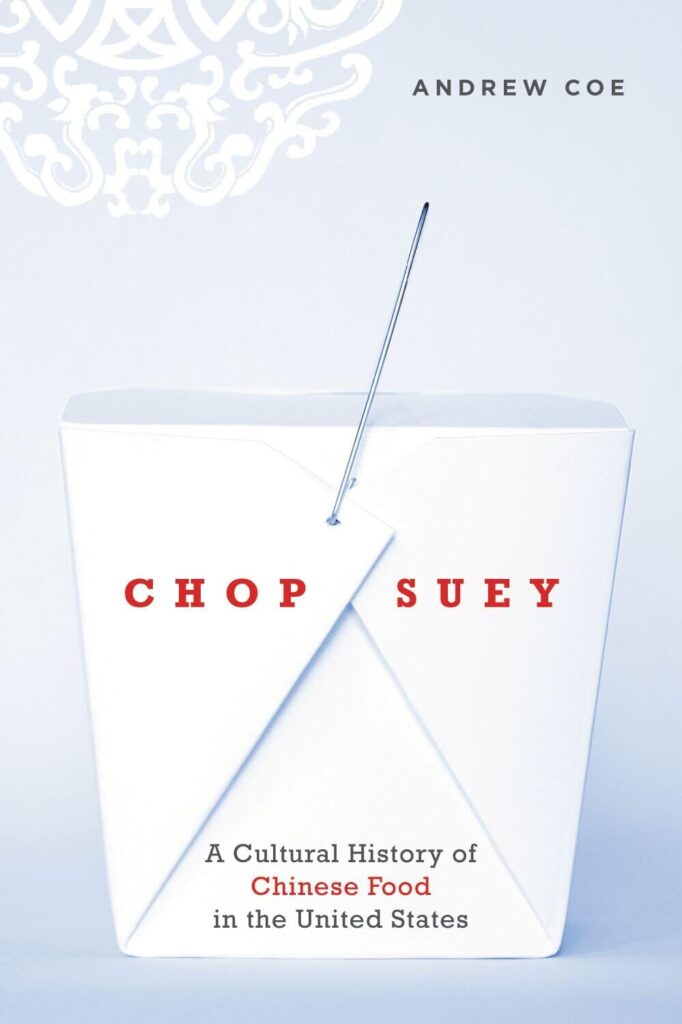
In 1784, passengers on the ship Empress of China became the first Americans to land in China, and the first to eat Chinese food. Today there are over 40,000 Chinese restaurants across the United States–by far the most plentiful among all our ethnic eateries. Now, in Chop Suey Andrew Coe provides the authoritative history of the American infatuation with Chinese food, telling its fascinating story for the first time.
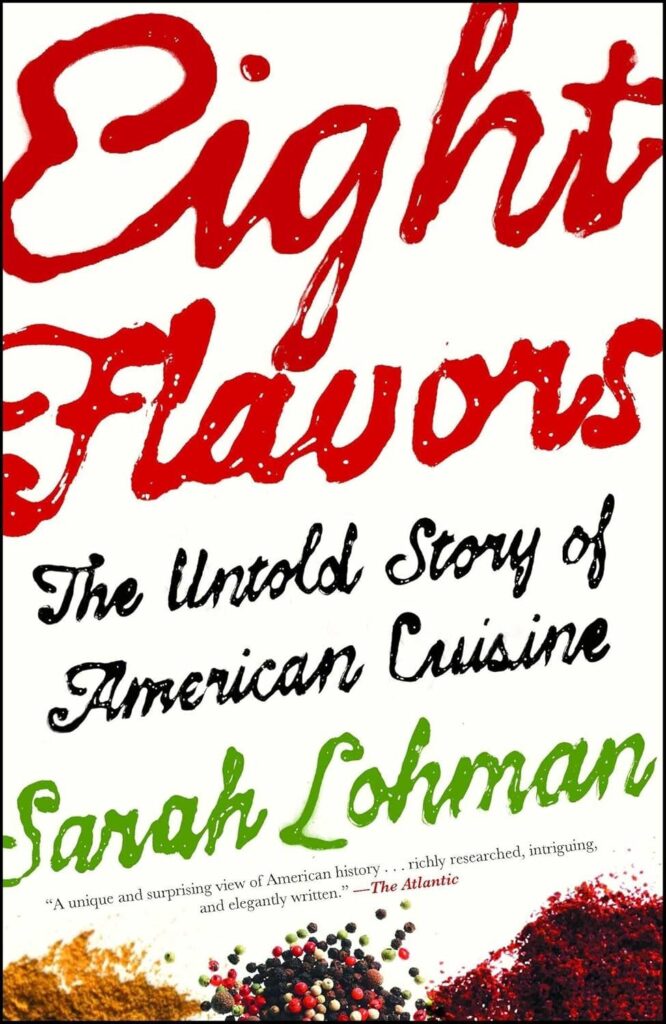
The United States boasts a culturally and ethnically diverse population that makes for a continually changing culinary landscape. But a young historical gastronomist named Sarah Lohman discovered that American food is united by eight flavors: black pepper, vanilla, curry powder, chili powder, soy sauce, garlic, MSG, and Sriracha. In “a unique and surprising view of American history…richly researched, intriguing, and elegantly written” (The Atlantic), Lohman sets out to explore how these influential ingredients made their way to the American table.
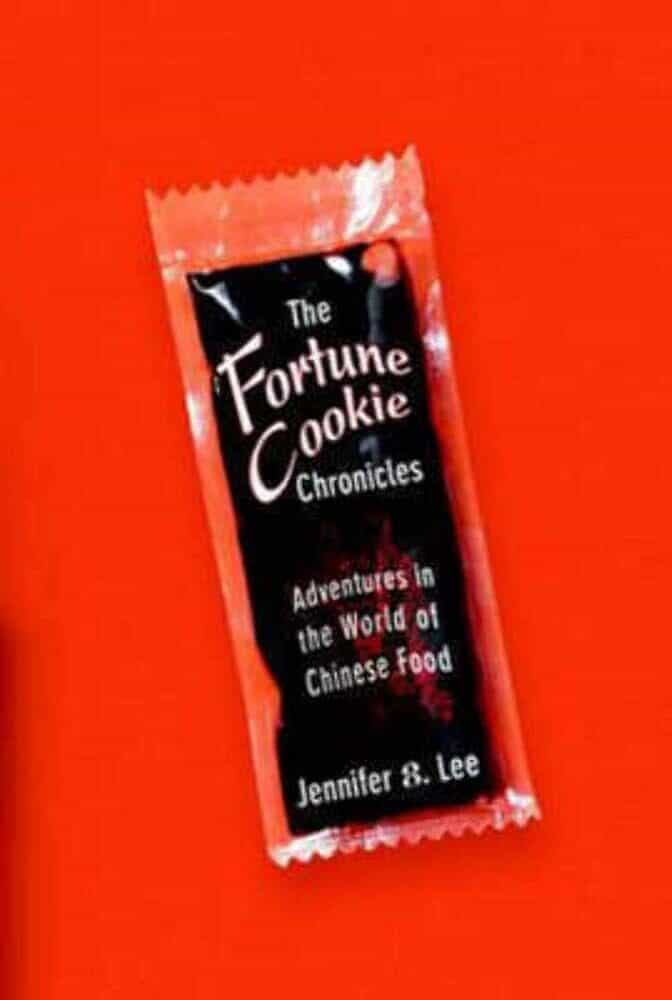
The Fortune Cookie Chronicles by Jennifer 8. Lee
If you think McDonald’s is the most ubiquitous restaurant experience in America, consider that there are more Chinese restaurants in America than McDonalds, Burger Kings, and Wendy’s combined. In her search, Jennifer 8. Lee traces the history of Chinese-American experience through the lens of the food. In a compelling blend of sociology and history, Jenny Lee exposes the indentured servitude Chinese restaurants expect from illegal immigrant chefs, investigates the relationship between Jews and Chinese food, and weaves a personal narrative about her own relationship with Chinese food. The Fortune Cookie Chronicles speaks to the immigrant experience as a whole, and the way it has shaped our country.
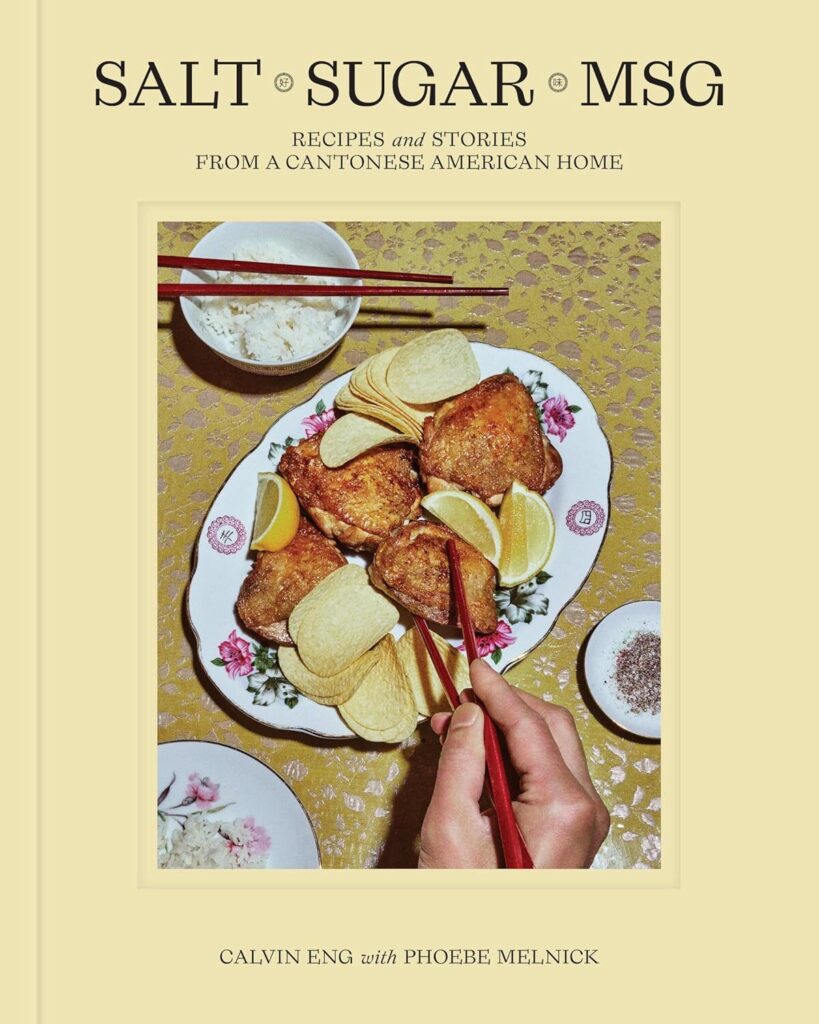
Salt, Sugar, MSG by Calvin Eng and Phoebe Melnick
Salt Sugar MSG is an introduction to Cantonese cooking through an American lens, full of easy flavor boosts and practical tricks, drawing a thread from his mother’s cooking to what Calvin cooks for his own family today. Some recipes stick closer to tradition, like Sizzling Steamed Fish with Seasoned Soy Sauce, Ham Yue Yook Beng (Steamed Pork Patty with Salted Fish), and Ginger Congee, while others upend expectations, like Salt & Pepper Pork Schnitzel with Chinese Ranch, Fuyu Cacio e Pepe Mein, and BLT Fried Rice. While these dishes may not look especially Cantonese at first glance, they certainly taste like it. Salt Sugar MSG is full of personal stories and practical tips and tricks as a loving ode to what it means to cook together as a Cantonese American family today.
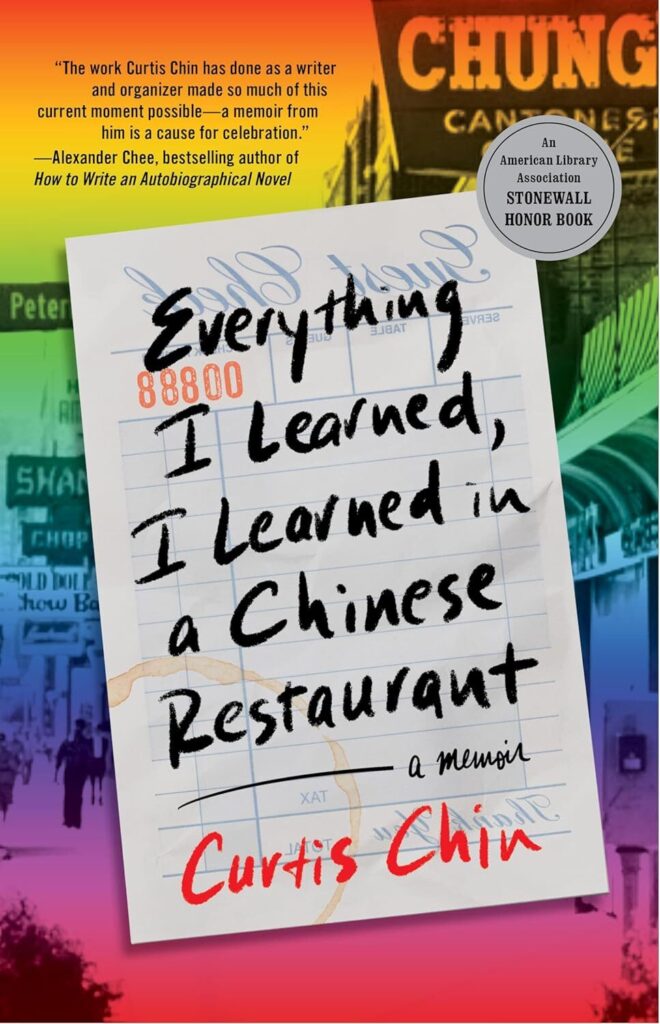
Everything I Learned, I Learned in a Chinese Restaurant by Curtis Chin
Nineteen eighties Detroit was a volatile place to live, but above the fray stood a safe haven: Chung’s Cantonese Cuisine, where anyone—from the city’s first Black mayor to the local drag queens, from a big-time Hollywood star to elderly Jewish couples—could sit down for a warm, home-cooked meal. Here was where, beneath a bright-red awning and surrounded by his multigenerational family, filmmaker and activist Curtis Chin came of age; where he learned to embrace his identity as a gay ABC, or American-born Chinese; where he navigated the divided city’s spiraling misfortunes; and where—between helpings of almond boneless chicken, sweet-and-sour pork, and some of his own, less-savory culinary concoctions—he realized just how much he had to offer to the world, to his beloved family, and to himself.
If you have questions about the Spice of the Month or any other library-related inquiries, please reach out to us at [email protected] or 815-756-9568 ext. 2150. We are happy to help!