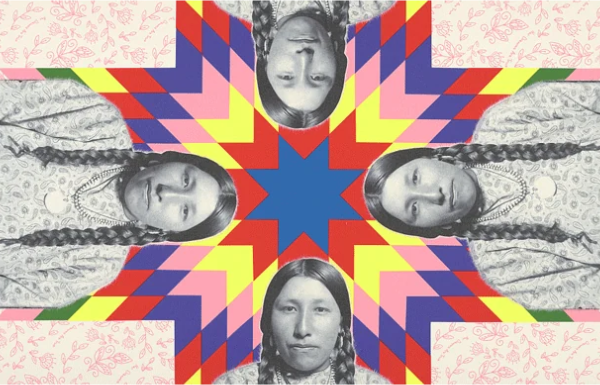
How much do you know about the history and cultures of Native American communities? November’s Native American Heritage Month is an opportunity to learn, reflect, and celebrate the Native Nations whose histories and cultures continue to shape our country.
What began as an effort to establish a single day recognizing the contributions of America’s first peoples eventually grew into a month-long observance. After decades of advocacy, November was officially designated National American Indian Heritage Month in 1990. Since 1994, presidents have continued issuing annual proclamations recognizing the month.
This month is about more than just looking back, it’s a chance to celebrate the diverse cultures and histories of Native Nations today! Meaningful recognition means going beyond awareness by listening to Native voices, challenging misconceptions, and supporting Native communities. Here are some ways to get started:
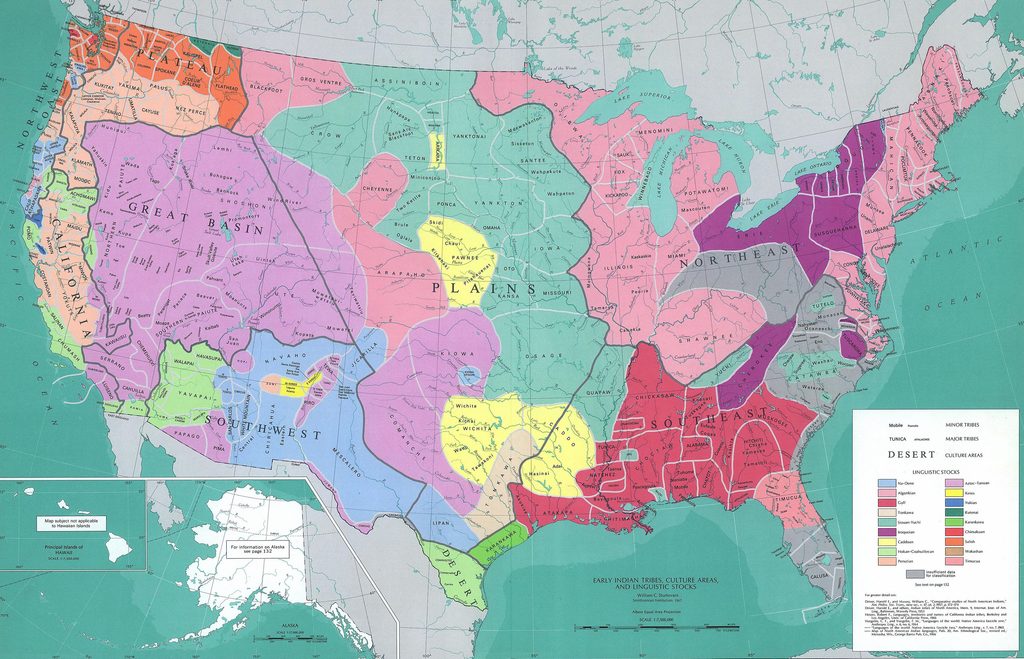
Recognize the Diversity of Native Nations
There are hundreds of Native Nations, each with its own history, language, traditions, and cultural practices. Avoid treating Indigenous communities as one single group.
Take Action: Learn about local Native Nations and build respectful relationships.
Visit https://www.congress.gov/crs-product/R47414 to view a list of the 574 federally-recognized nations (as of 2024) in alphabetical order.
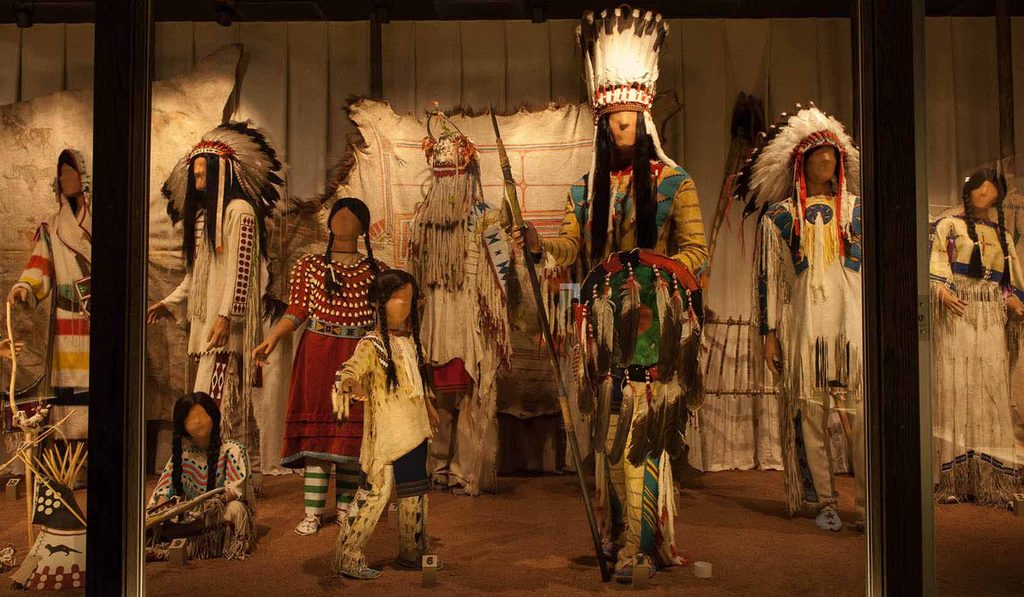
Support Tribal Museums & Cultural Centers
Tribal museums and cultural centers share authentic perspectives on Native history, culture, and contemporary life.
Take Action: Visit, support, and partner with these institutions to promote accurate cultural education.
Visit https://www.indian-affairs.org/tmdmaparchive.html for a map of Tribal Museums and Cultural Centers to visit as you traverse the United States.
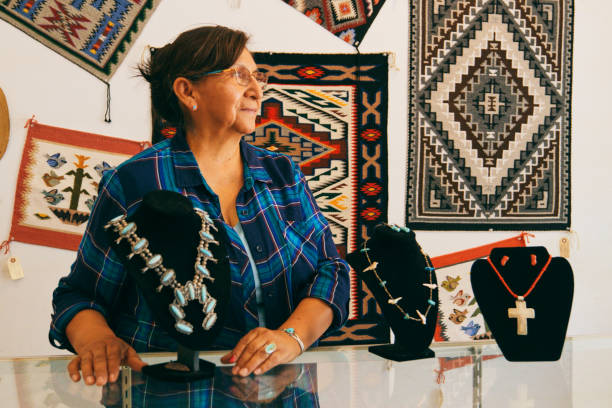
Support Native-Owned Businesses
Purchasing directly from Native-owned businesses supports Indigenous entrepreneurs, strengthens communities, and helps sustain cultural traditions.
Take Action: Shop Native-owned businesses for gifts, products, and everyday services.
Visit nativepartnership.org/buy-native/ to see a list of Native-owned businesses.
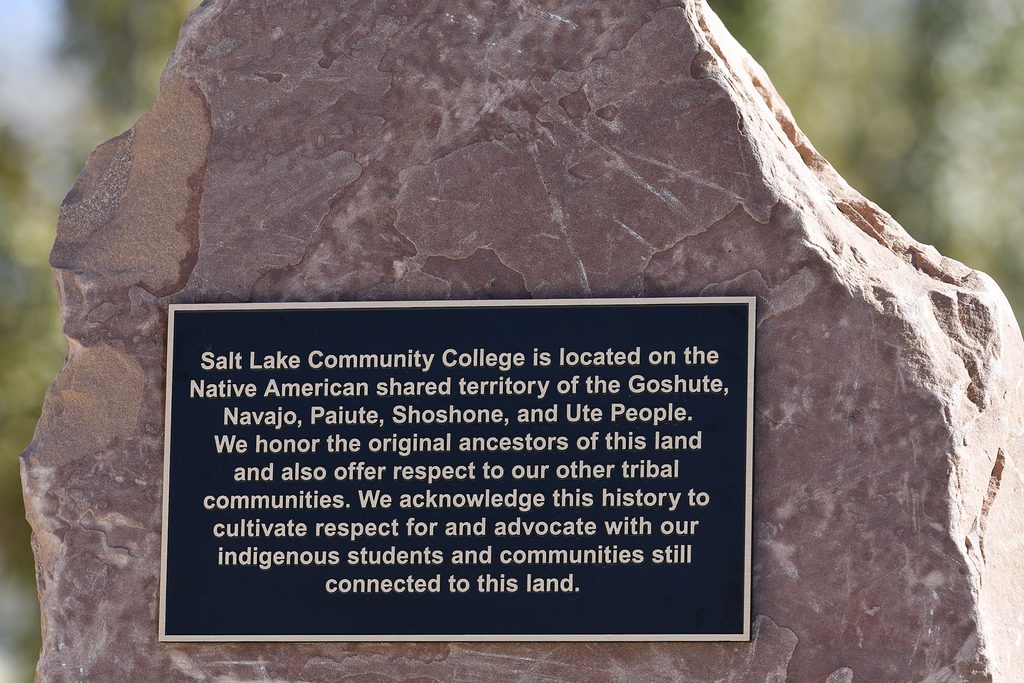
Move Beyond Land Acknowledgments
Land acknowledgments are a starting point, but meaningful support requires action and continued commitment to Native communities.
Take Action: Support Native-led initiatives, advocate for Indigenous rights, and consult local Nations when creating land acknowledgments.
Visit https://www.indian-affairs.org/becomeanally.html to learn more a bout becoming an active ally to Native Nations and peoples.
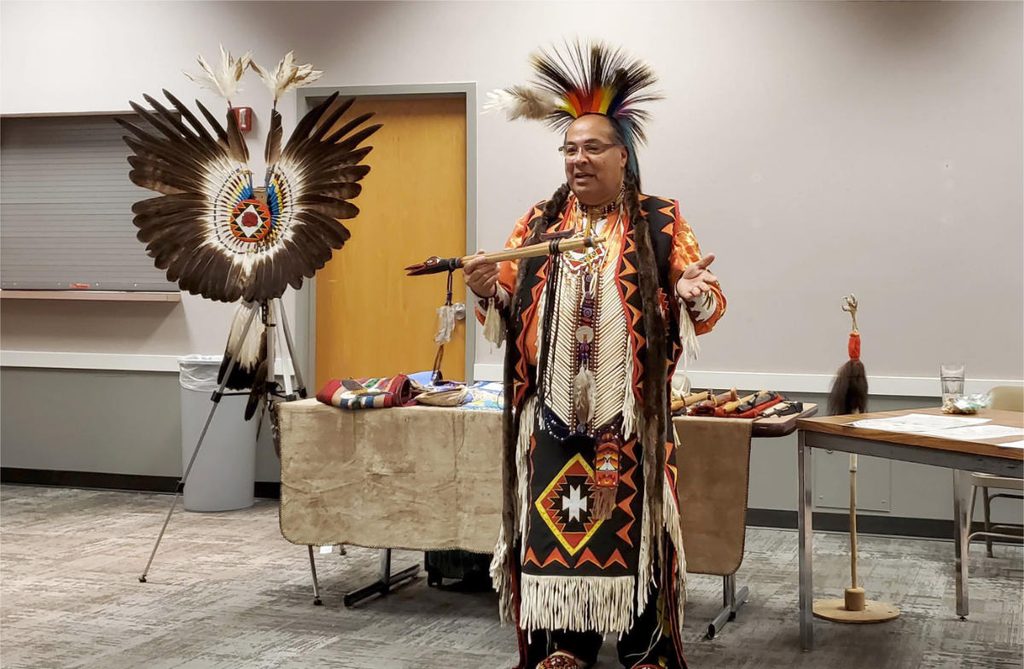
Avoid Tokenism
Meaningful inclusion goes beyond a single speaker or event during Heritage Month. Native voices and perspectives deserve recognition throughout the year.
Take Action: Build lasting partnerships with Native organizations and fairly compensate Native speakers and cultural educators.
Visit https://nativegov.org/resources/partnering-with-native-nations-guide/ if you are interested in more deeply collaborating with Native nations but you’re not sure where to start. This guide shares best practices for partnering with Native nations in a appropriate and fruitful way.
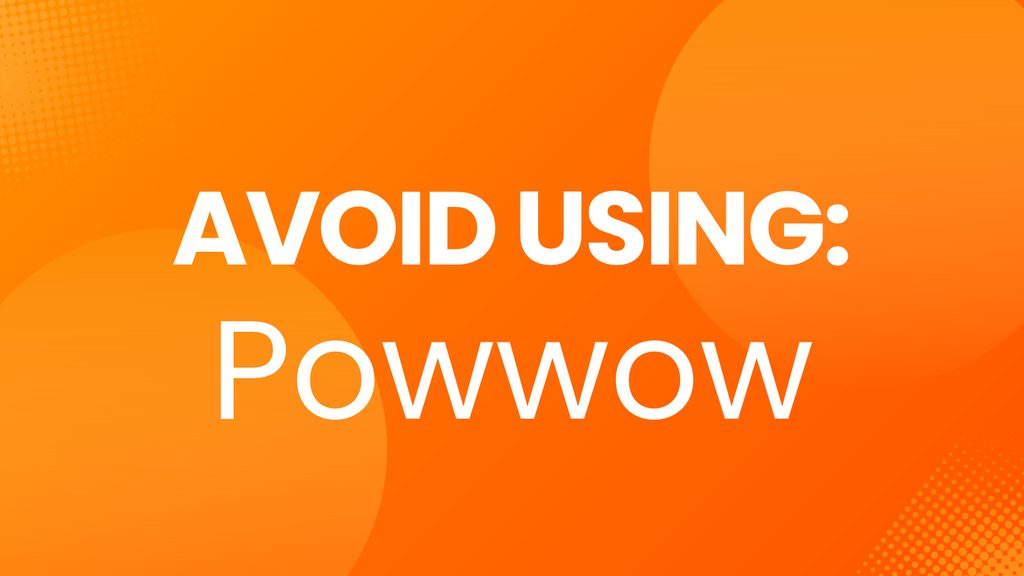
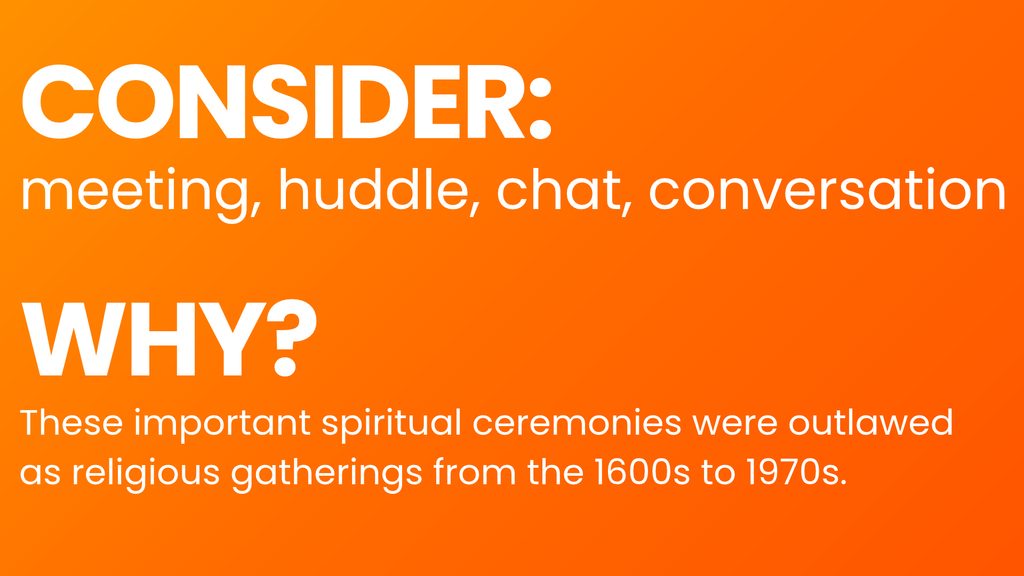
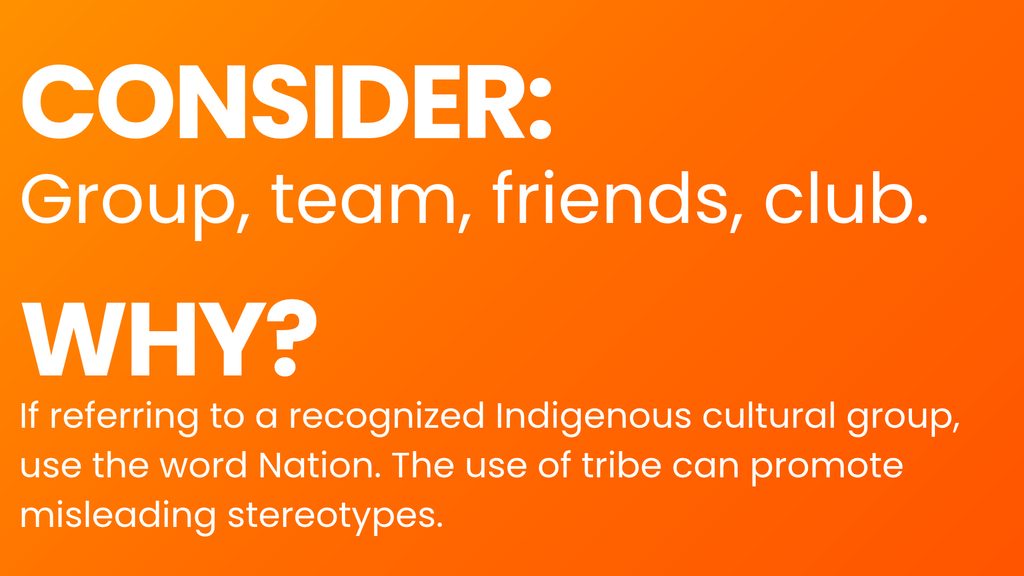
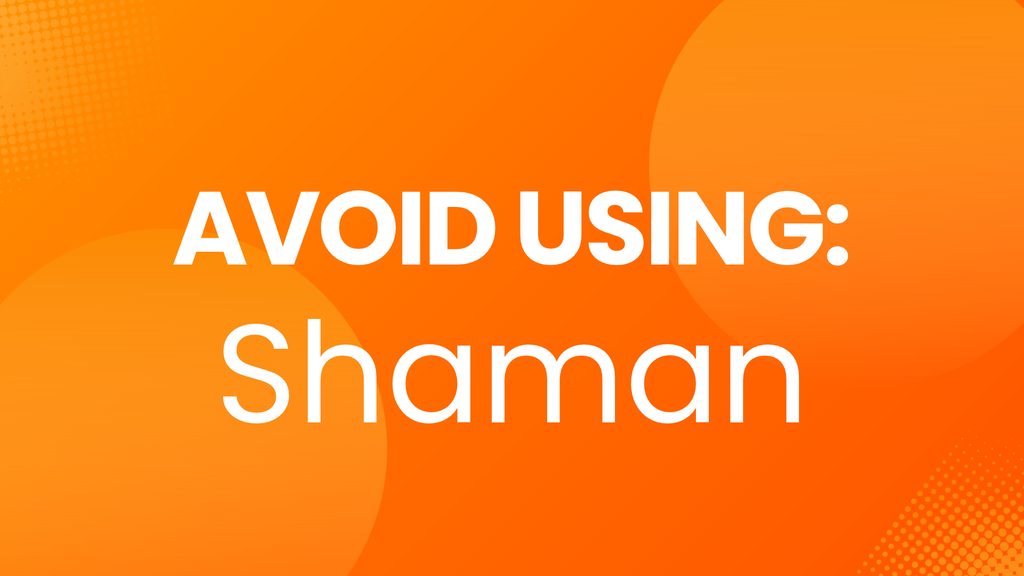
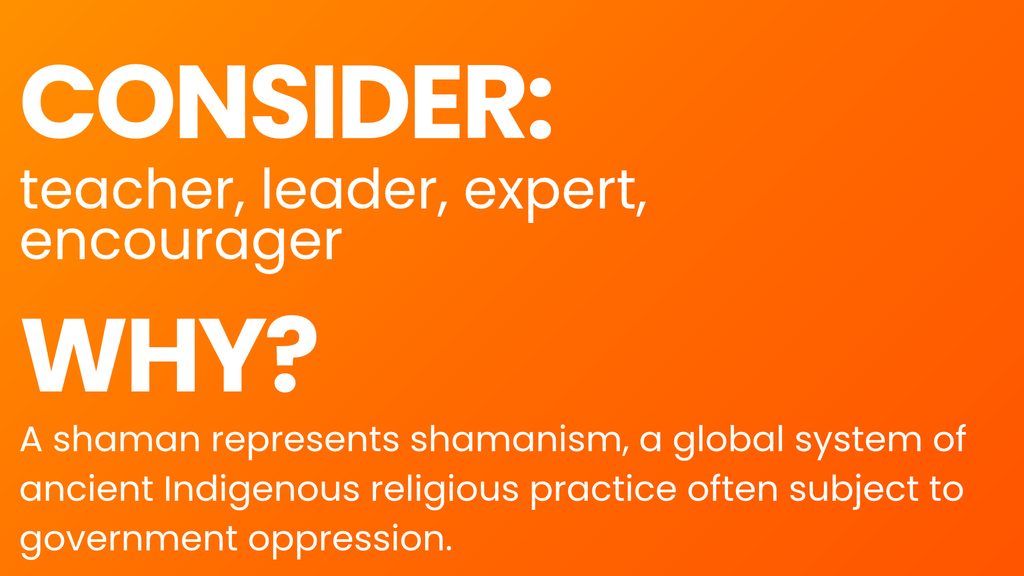
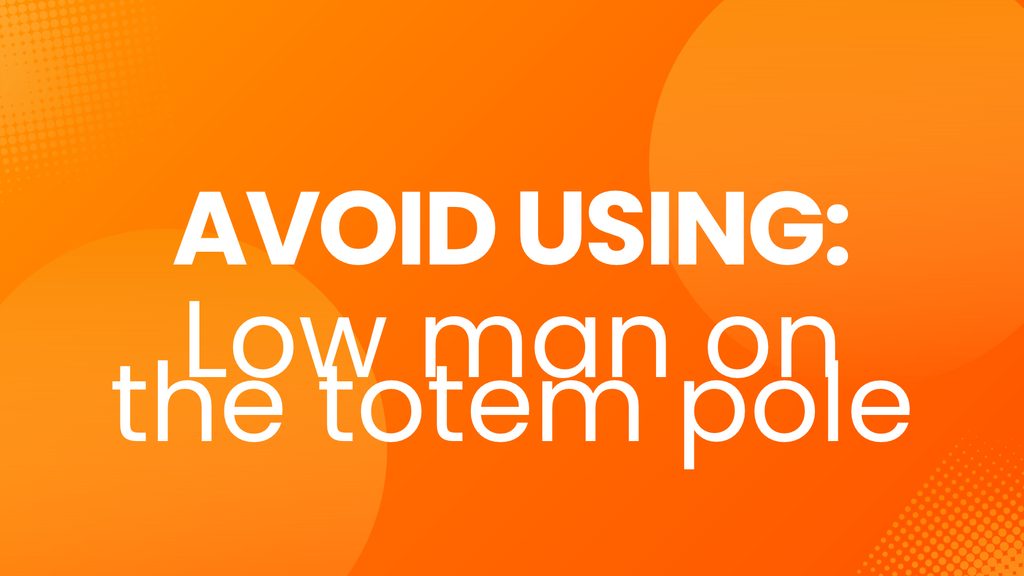
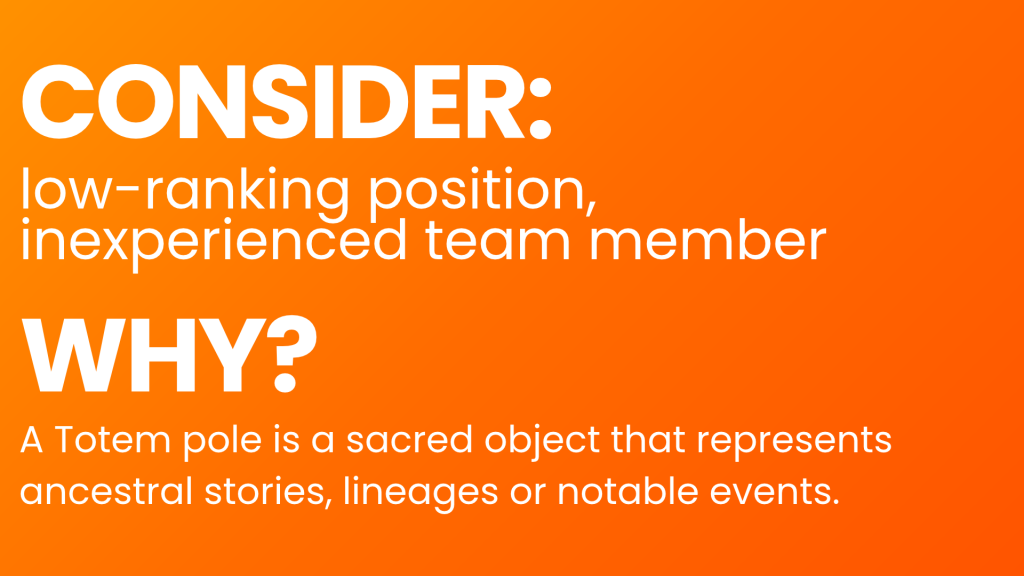
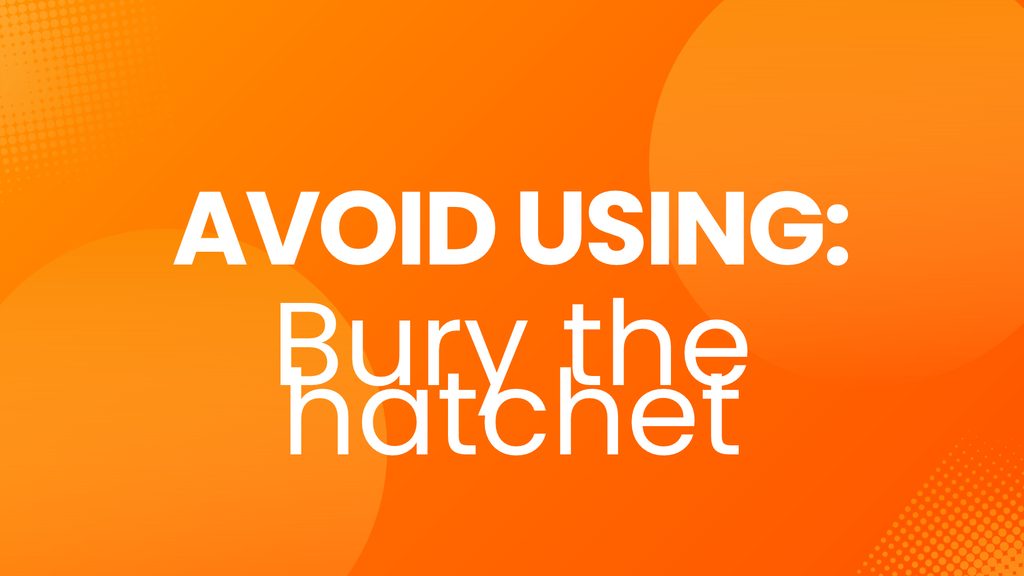
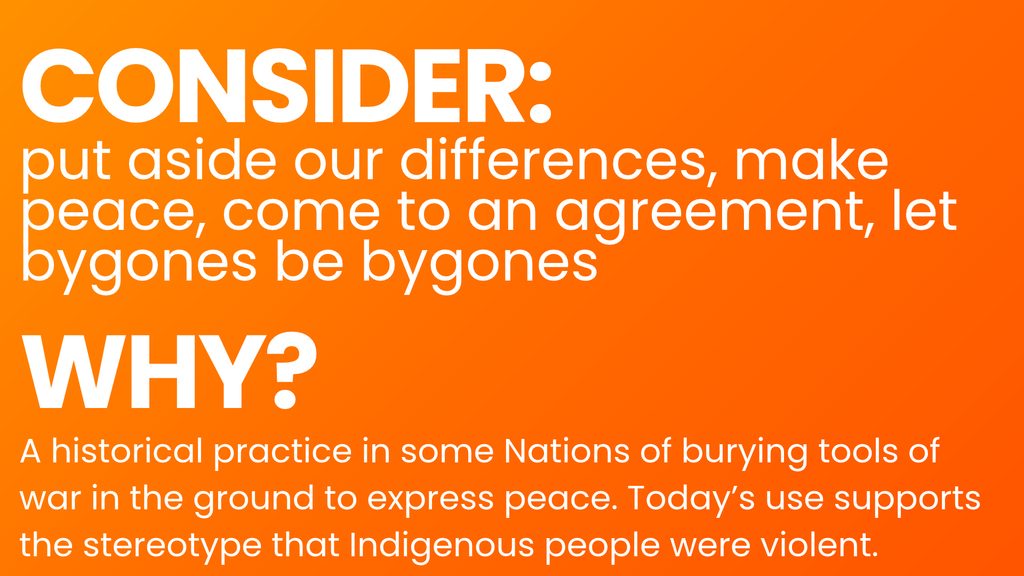
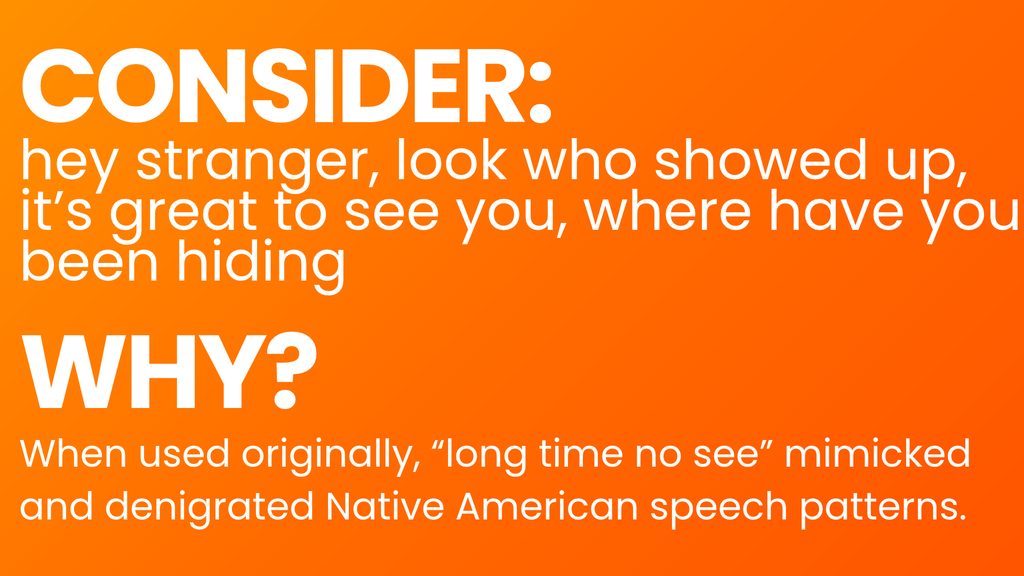
Just as important as supporting Native peoples through partnerships and ongoing advocacy is being mindful of the language we use. Some commonly used words and phrases have harmful or stereotypical associations, even when no offense is intended. Our language is constantly evolving. Learning and avoiding words that can be perceived as disrespectful, insensitive, or even offensive will guide a person who wants to promote mutual respect and foster an inclusive, accepting environment. Here are some words and phrases to mindfully avoid during Native American Heritage Month and beyond:


As you continue on with life after reading this blog, look for opportunities to support Indigenous writers, artists, businesses, and communities. Listen to Native voices, learn about the histories and traditions of different tribal nations, and remember that Indigenous peoples and cultures are very much a part of our present, not just our past. One of the best ways to continue learning is to seek books, stories, and perspectives shared by Native authors. Check out this list of titles published by Native Americans in 2026:
Fiction
- The Birthing Tree by Amanda Peters – A novel exploring Mi’kmaq identity, family, and the connections between generations.
- Python’s Kiss by Louise Erdrich – A collection of short stories exploring relationships between people, the natural world, and the spiritual world.
- Off the Reservation by Stephen Graham Jones – A horror novel following a Blackfeet man on a mission involving the remains of a Native child taken to an Indian boarding school.
- Another Name for Red by Amber Blaeser-Wardzala – A novel about an Anishinaabe woman investigating her sister’s disappearance and confronting the secrets surrounding her family.
- Wisdom Corner by David Heska Wanbli Weiden – A crime novel featuring Virgil Wounded Horse, who returns to his former work as an enforcer on the Rosebud Indian Reservation.
- Leave Our Bones Where They Lay by Aviaq Johnston – An Inuit novel about family, storytelling, and passing cultural traditions between generations.
Nonfiction, Memoir & Poetry
- The Savage Mind: An American Legacy by David Treuer – An exploration of American violence, history, and national identity through memoir and historical analysis.
- Our Knives Will Save Us by Nephi Craig – A look at Indigenous food traditions, food sovereignty, and the experiences of a White Mountain Apache chef.
- Who Gets to Be Indian? by Dina Gilio-Whitaker – An examination of Native American identity, tribal disenrollment, and questions surrounding Indigenous belonging.
- Mother Earth Is Our Elder by Catherine Lafferty – A Northern Indigenous perspective on sustainability, community, and living in relationship with the natural world.
- A Feather and a Fork by Crystal Wahpepah – A cookbook featuring 125 intertribal dishes and Indigenous food traditions.
- Cloud Runner by Joy Harjo – A poetry collection exploring grief, family, memory, and the loss of her daughter.
We invite you to come celebrate, create, collaborate, and grow with us at DeKalb Public Library! If you have questions about our building, services, materials, or any suggestions, please reach out to us at [email protected] or 815-756-9568 ext. 2150, or stop by and see us during our open hours. Happy reading!